Digital India: Transforming the Nation Through Technology
India is a country of diversity, traditions, and vast potential. For many years, development in India depended mainly on physical infrastructure such as roads, railways, and industries. However, in the 21st century, technology has become one of the most powerful tools for national growth. Understanding this need, the Government of India launched the Digital India initiative to transform the country into a digitally empowered society and knowledge-based economy. Digital India is not just a government program; it is a movement that is changing the way Indians live, work, learn, and communicate.
Meaning of Digital India
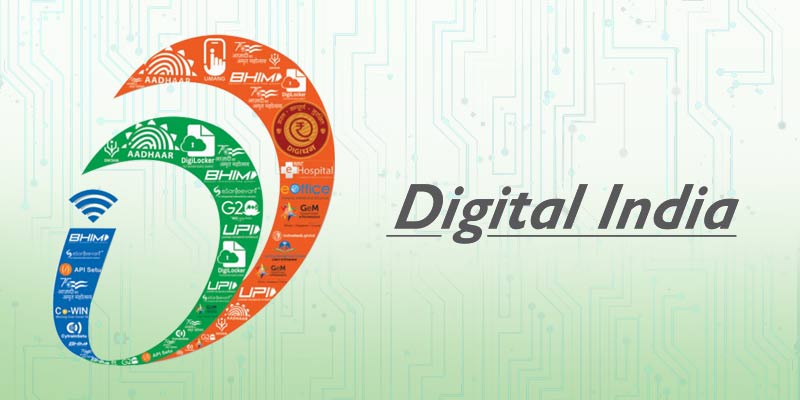
Digital India refers to the use of digital technology to provide government services, improve connectivity, increase transparency, and empower citizens. The main aim of Digital India is to ensure that every citizen can access government services online, anytime and anywhere, using digital platforms. It focuses on making information available in electronic form, promoting digital literacy, and reducing dependence on paperwork.
In simple words, Digital India means using the internet, mobile phones, computers, and digital tools to make life easier, faster, and more transparent for the people of India.
Objectives of Digital India
The Digital India initiative was launched with several important objectives. One of the primary goals is to connect rural areas with high-speed internet so that people living in villages can access the same facilities as those in cities. Another major objective is digital empowerment of citizens, especially students, farmers, women, and small business owners.
Digital India also aims to promote cashless transactions, reduce corruption, improve efficiency in government services, and create new employment opportunities in the technology sector. By encouraging digital platforms, the government wants to save time, money, and resources while ensuring better service delivery.
Pillars of Digital India
Digital India is built on three major pillars:
1. Digital Infrastructure as a Utility
This pillar focuses on providing high-speed internet, mobile connectivity, and digital identity to every citizen. Aadhaar has become an important part of this infrastructure, helping people access services like banking, subsidies, and government schemes easily. Mobile phones and broadband connectivity play a crucial role in connecting people across the country.
2. Governance and Services on Demand
Under this pillar, government services are made available online through portals and mobile applications. Services such as applying for certificates, paying bills, filing taxes, and booking appointments can now be done digitally. This reduces long queues, paperwork, and delays, making governance more efficient and transparent.
3. Digital Empowerment of Citizens
Digital empowerment focuses on digital literacy, access to information, and content in local languages. Programs like Digital Saksharta Abhiyan aim to teach basic digital skills to people so that they can use smartphones, computers, and the internet confidently.
Impact of Digital India on Education
Digital India has brought a significant transformation in the education sector. Online learning platforms, digital classrooms, and e-learning apps have made education more accessible than ever before. Students can now attend online classes, access study material, watch educational videos, and prepare for competitive exams from their homes.
Platforms such as online libraries, virtual labs, and digital certificates have improved the quality of education. During difficult times like the COVID-19 pandemic, digital education played a crucial role in ensuring continuity of learning. Digital India has reduced the gap between urban and rural education by providing equal learning opportunities to all students.
Digital India and Healthcare
The healthcare sector has also benefited greatly from Digital India. Telemedicine services allow patients to consult doctors online, especially in remote and rural areas where medical facilities are limited. Digital health records make it easier to store and access patient information, improving diagnosis and treatment.
Government initiatives such as online appointment systems, health apps, and digital vaccination certificates have made healthcare services more efficient. Digital India has helped save lives by improving access to medical advice and information.
Role of Digital India in Financial Inclusion
One of the biggest achievements of Digital India is its contribution to financial inclusion. Digital payment systems like UPI, mobile wallets, net banking, and QR code payments have made financial transactions simple and secure. People can now transfer money, pay bills, and shop online with just a few clicks.
Digital India has helped bring millions of people into the formal banking system through initiatives like Jan Dhan accounts linked with Aadhaar and mobile numbers. Cashless transactions reduce corruption, increase transparency, and promote economic growth.
Digital India and Employment Opportunities
Digital India has created new job opportunities, especially for the youth. Careers in software development, digital marketing, data analysis, cybersecurity, and app development have grown rapidly. Startups and small businesses are using digital platforms to reach customers across the country and even globally.
Freelancing, remote work, and online entrepreneurship have become popular due to digital connectivity. Digital India encourages innovation and supports startups, helping India move towards becoming a global technology hub.
Digital India in Rural Development
Digital India plays a vital role in rural development by connecting villages with digital services. Farmers can access weather updates, market prices, government schemes, and agricultural advice through mobile apps and websites. Online platforms help farmers sell their produce directly, reducing dependency on middlemen.
Digital services such as online ration cards, pension schemes, and employment programs improve the quality of life in rural areas. Digital India empowers villagers by giving them access to information and opportunities that were once limited to cities.
Challenges of Digital India
Despite its many benefits, Digital India faces several challenges. One major challenge is the digital divide between urban and rural areas. Many people still lack access to reliable internet, smartphones, or computers. Digital illiteracy is another concern, especially among the elderly and less educated population.
Cybersecurity threats, data privacy issues, and online fraud are growing concerns in the digital world. There is also a need for better infrastructure, faster internet, and affordable digital devices to ensure that no one is left behind.
Leave a Reply